The swing has stayed the same, and so has the course. What has changed is who gets to play and on what terms. A look at twenty years of golf.
Ask someone who has never played what comes to mind when they think of golf. The answer is surprisingly consistent: expensive clubs, white polo shirts, older gentlemen with time on their hands. That picture was once accurate. Today it describes a sport that barely exists in that form any more.
For decades, golf in Switzerland had real barriers to entry. Joining fees in the thousands, waiting lists, sponsorship by existing members. If you wanted to play, you not only had to pay, you had to be accepted. The club was a social institution and the golf course one of its stages.
So the cliché of the status symbol is not made up. For a long time it was simply a description of how things were. But since then, more has changed than is visible from the outside.
At the end of 2025, Swiss Golf counted more than 108'000 active golfers. Relative to the population, a larger share of people play golf in Switzerland than in Germany. Women make up 37 per cent, one of the highest shares in Europe.
It becomes even clearer when you look at how these people are organised. The two large club-free organisations in Switzerland alone have around 47'000 members between them. So a considerable share of all Swiss golfers do not belong to a traditional club at all, but play with a card that covers handicap management and course access, without an admission ritual and without a yearly commitment to a single facility.
Internationally, the same trend is visible, only faster. In the USA, 18 to 34-year-olds are now the largest group on the course. A sentence that would have sounded absurd fifteen years ago.
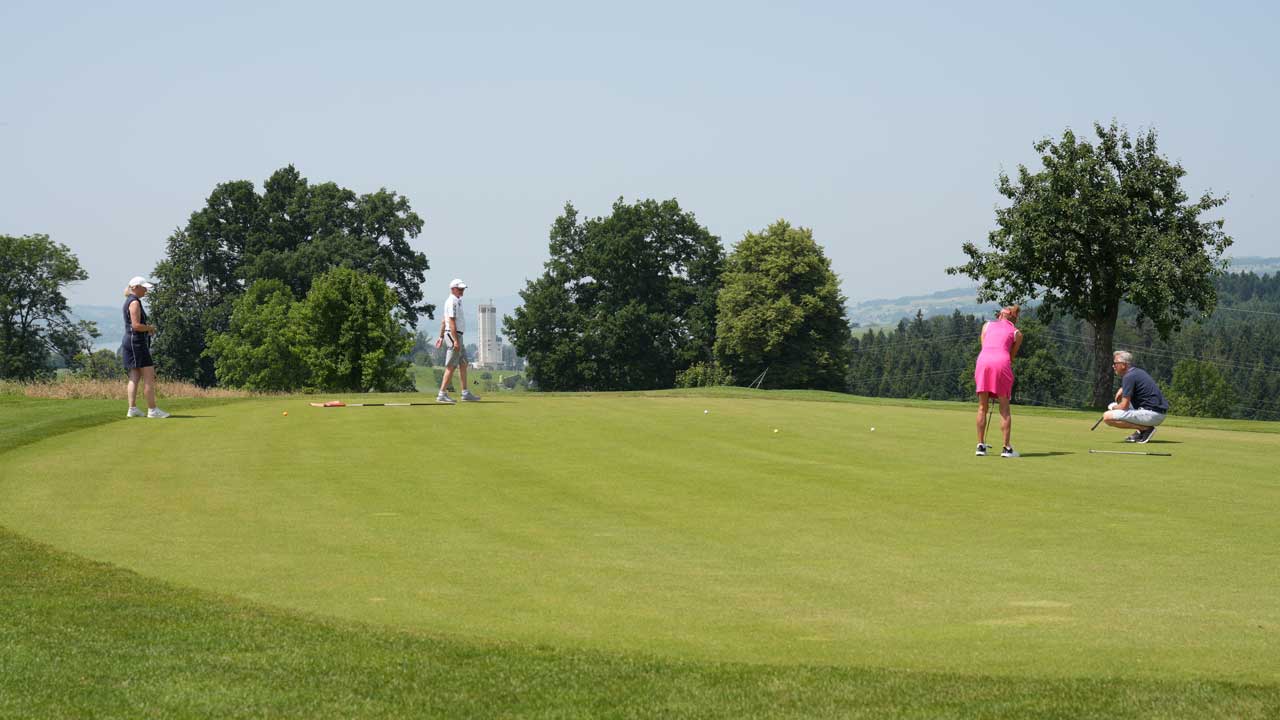
Time has become the hardest currency. As early as 2016, a survey by the R&A showed that 60 per cent of golfers surveyed would enjoy the game more if it took less time. People starting out today don't plan golf as a day trip. They look for the round that fits between finishing work and dinner. Short formats are therefore not a sign of less commitment, but of a different everyday life.
Access has been unbundled. Handicap, course access and club membership used to be a package. Today they are three separate things. You can hold an official handicap, play at different facilities and still not be a member anywhere in the old sense. That hasn't lowered the barrier to entry, it has removed it.
The first shot happens somewhere else. Many people now come to the sport through a driving range, a mini golf course, a simulator or an indoor facility, not through an invitation. Getting started therefore happens in places where nobody asks about your background, clothes or connections.
Formalities are relaxing. Dress codes are becoming more pragmatic, tee times more flexible, the tone at the facility more relaxed. Any rule that survives today has to be justified. Whatever was pure convention is disappearing.
For golf facilities, this is an uncomfortable development because it forces a decision. Those who bet on exclusivity keep selling a status product and shrink along with their target group. Those who bet on access have to do the maths differently: more people, shorter visits, more flexible models, lower barriers to entry.
Both are viable business models. You just can't credibly claim both at the same time.
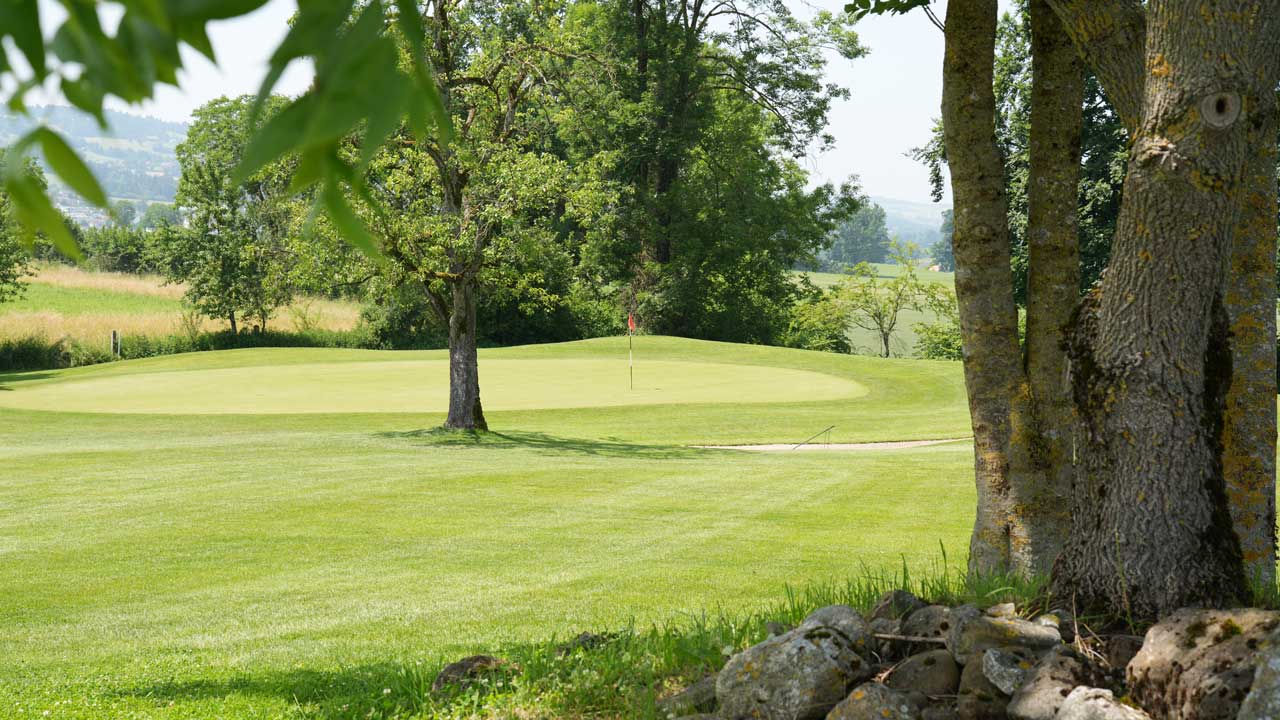
To be honest: golf is not a free sport. Equipment, green fees and lessons cost money, even without a club membership. And etiquette isn't disappearing, it is shrinking down to what actually serves a purpose. Consideration for the flight behind you, replacing divots, quiet while others play their shot. These are not rules of class, just consideration among people who share the same space.
What is disappearing is something else: the idea that you have to belong before you are allowed to play.
This is exactly where we come in. With us, you don't need an expensive club membership, a joining fee or a recommendation. All you need is the urge to play a round. Nine holes after work, something to eat afterwards, home again in the evening. If you want more, play the loop twice.
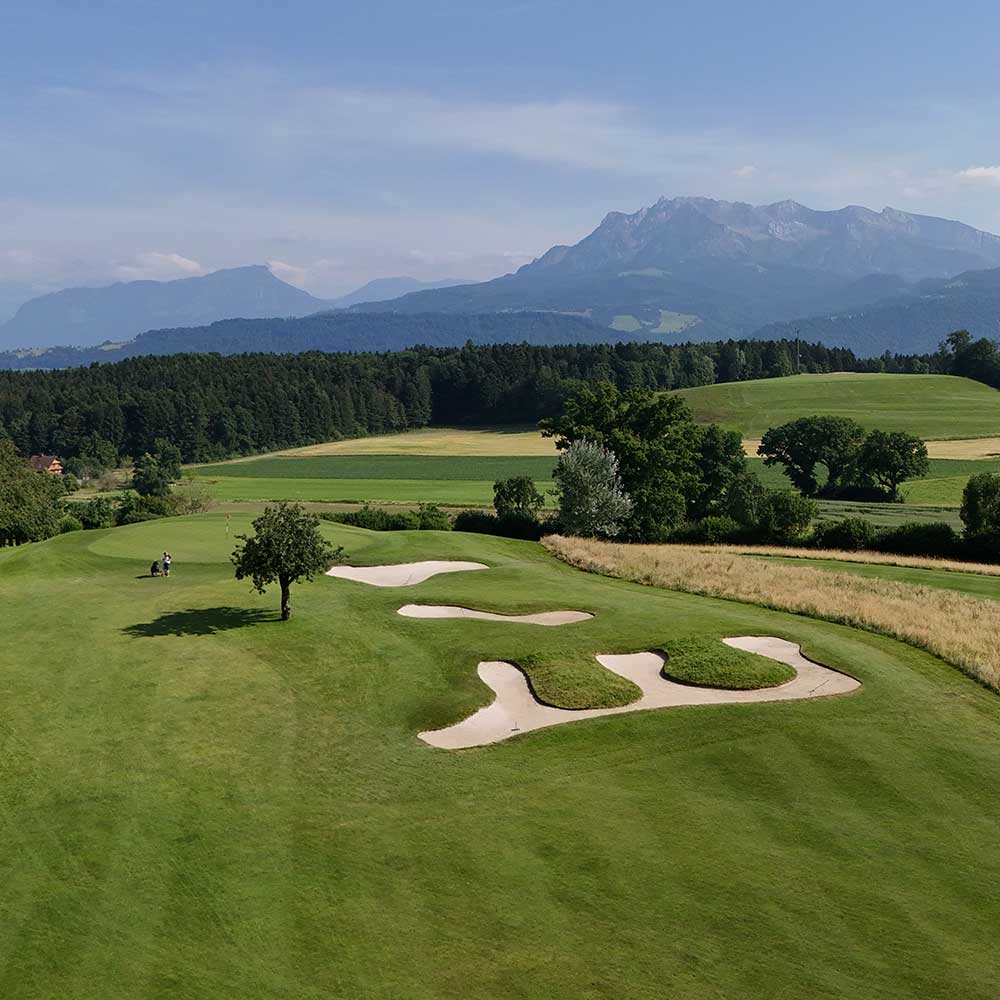
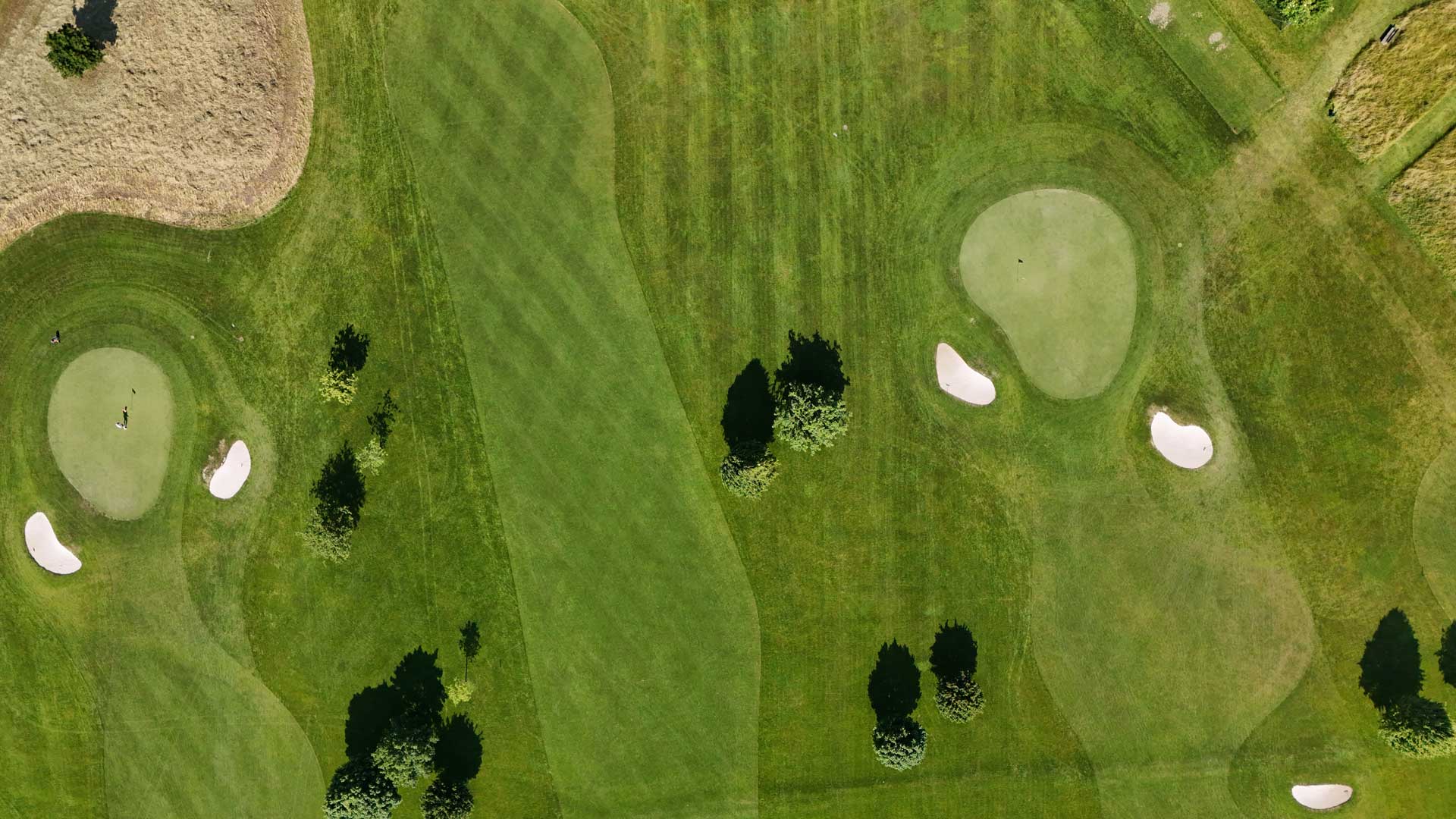
Our course is fifteen minutes from the centre of Lucerne, at 550 metres above sea level, with views of Pilatus, Rigi and Titlis. It is open to beginners and challenging enough for anyone who has been playing for a while. Both at once, because in our view the two are not mutually exclusive.
Golf has not become more accessible because the sport itself has changed. The swing is the same, and so is the course. What has changed is who gets to play and on what terms.
Anyone who still believes golf requires an elite club, a fortune and the right connections last looked at the sport twenty years ago. It's worth taking another look.
Choose which cookies we may use. Necessary cookies are always active because the website would not work without them. All others are optional and can be changed at any time.
For basic functions such as the shopping basket, forms and saving your cookie choice.
Shows us anonymously which pages are visited so that we can improve the website. For example Google Analytics.
So that we can show you relevant offers and measure the success of our advertising. For example Google Ads.
Remembers your preferences, for example your preferred location, and embeds content such as maps and reviews.